
Start with the ancients
The Stoics wrote to be read by ordinary people, and the three Roman Stoics are still the best way in. The translation matters more than the edition, so each pick below names the one we recommend. The originals are in the public domain, so each also links a free edition.
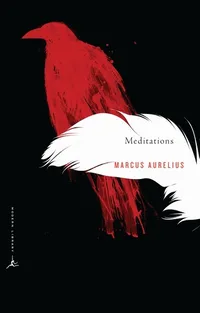
Meditations
Marcus Aurelius, translated by Gregory Hays
The private notebook of a Roman emperor reminding himself how to live. Hays writes in plain modern English, which makes this the easiest edition to read a page of every morning.
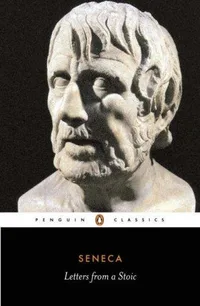
Letters from a Stoic
Seneca, translated by Robin Campbell
Seneca's letters to his friend Lucilius cover grief, friendship, money, fear of death, and how to spend a day. Campbell's Penguin selection keeps the best letters and reads warmly.
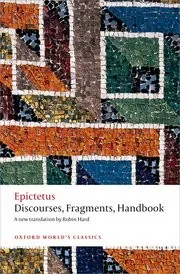
Discourses, Fragments, Handbook
Epictetus, translated by Robin Hard
The former slave turned teacher gives Stoicism its sharpest form: some things are up to us, and some are not. The short Handbook (Enchiridion) is a good one-sitting read; the Discourses go deeper.
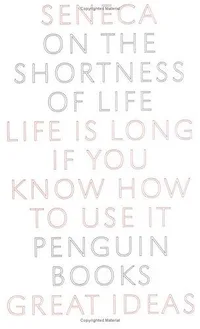
On the Shortness of Life
Seneca, translated by C.D.N. Costa
A short essay on why life feels short only because we waste it. It is about an hour of reading and one of the most quoted Stoic texts.
Modern guides to living it
These books explain the ideas behind the ancient texts and turn them into daily practice.
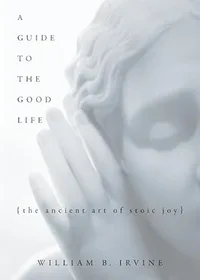
A Guide to the Good Life
William B. Irvine
A philosophy professor's practical case for Stoicism as a way of life, with clear chapters on negative visualization, voluntary discomfort, and the dichotomy of control.
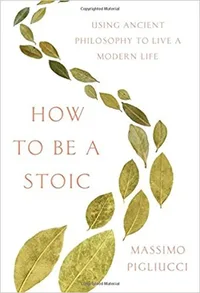
How to Be a Stoic
Massimo Pigliucci
Pigliucci structures the book as a conversation with Epictetus, testing ancient advice against modern problems and science.
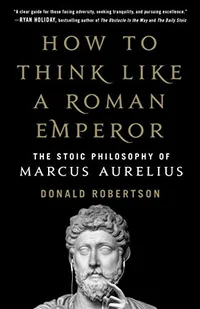
How to Think Like a Roman Emperor
Donald Robertson
A cognitive psychotherapist tells the life of Marcus Aurelius and pairs each stage with a Stoic technique for anger, anxiety, pain, and loss.
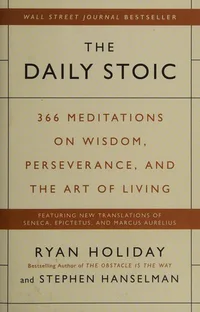
The Daily Stoic
Ryan Holiday and Stephen Hanselman
One short passage from the Stoics for each day of the year, with commentary. A good companion if you like a single page each morning.
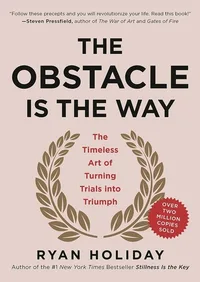
The Obstacle Is the Way
Ryan Holiday
A fast, story-driven book on one Stoic idea: that the difficulty in front of you is the material you have to work with.
Going deeper
For readers who want to understand how Stoicism worked as a philosophy, not only as advice.
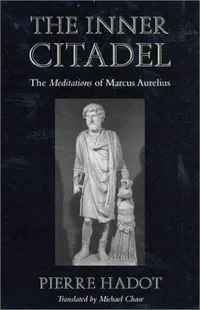
The Inner Citadel
Pierre Hadot
The classic study of the Meditations. Hadot shows how Marcus used writing as a set of spiritual exercises, which changes how you read every page.
Reading is the start, practice is the point
The Stoics cared less about what you had read than about how you lived the next morning. If you want a place to begin, read a few entries of Meditations and try the ideas in our guide to starting a Stoic practice, or browse all our guides.